"How do I increase conversational turns with a child who doesn’t use words?
Many things impact a child’s ability to talk, such as:
Age.
Developmental delay or specific diagnosis.
Environmental factors.
Feeling unsure in a new language.
Children who are not using words to communicate are sometimes described as “nonverbal.” This can be a useful term, but it doesn’t reflect what the child can do — only what they are not doing.
Nonverbal doesn’t always mean non-vocal.
A child may not be using words yet, but are they using their voice in other ways?
LENA counts turns when a child makes a sound and you respond, or vice versa. A child’s sounds do not need to be words. Every vocalization is an opportunity for a conversational turn. When you tune in and respond, you are helping a child to learn that their voice has power.
For younger children, LENA counts vocalizations related to speech development, such as:
Coos.
Growls and squeals.
Babbles.
Spoken words.
For older children, babbles and words are most likely to count on a LENA report. Squeals, grunts, and growls may not always count, but your response is still important.
Nonverbal doesn’t mean non-communicating.
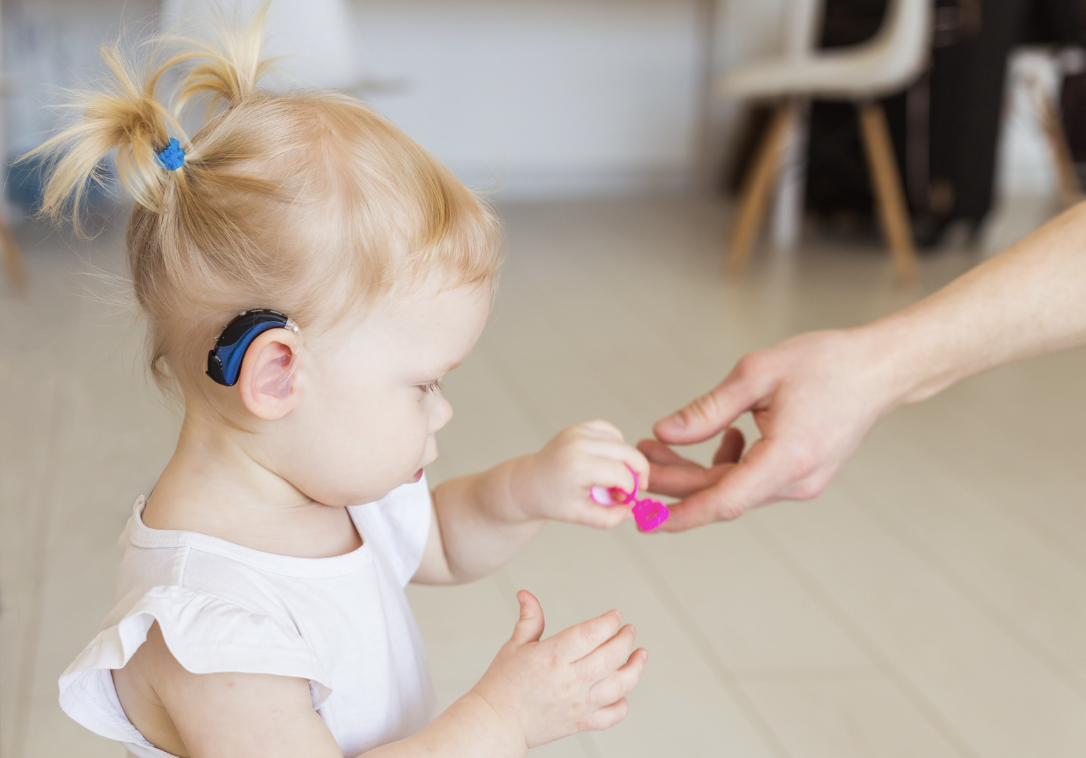
Facial expressions, eye gaze, body language, sign language, and gestures (like pointing) are all forms of communication! Watch for nonverbal cues and use every chance to add and model language.
Nonverbal communication is often the first step toward using sounds and words. Even though these interactions may not count as LENA turns, you play an important role in helping children learn to communicate.
Resources
PDF
Turn-Taking With "Non-Talkers" Conversations are an opportunity for all types of vocal turn-taking. Download our resource to support a child’s communication even before they start using words!